Retail Colocation: Elevating Your Business With Powerful Data Center Solutions
Retail colocation presents a strategic opportunity for organizations searching for effective IT infrastructure solutions. By leasing space within shared data centers, organizations can greatly cut costs and strengthen operational efficiency. This approach allows companies to focus on their core functions while leveraging advanced security features and scalable resources. However, the choice to implement retail colocation involves several considerations that can affect long-term outcomes. What criteria should organizations examine to guarantee they make the right choice?
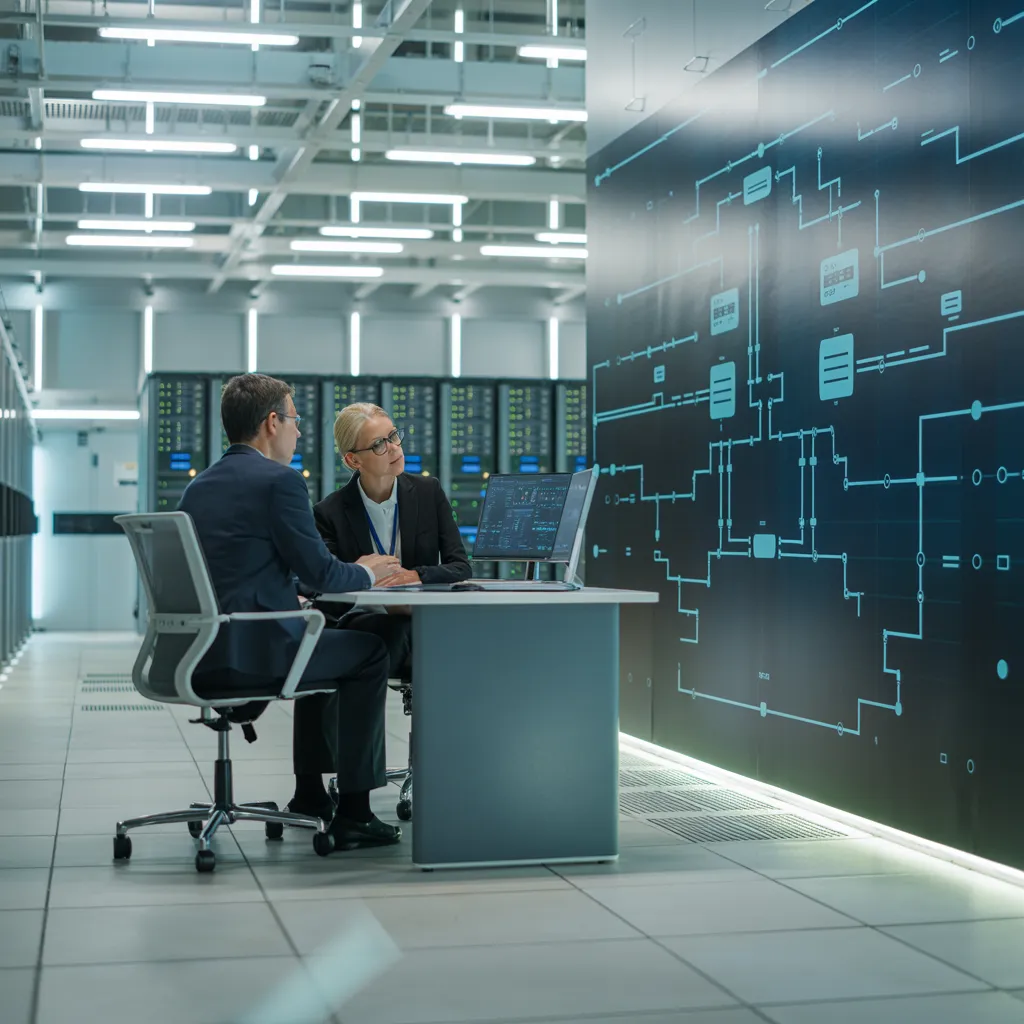
Understanding Retail Colocation: A Comprehensive Overview
Retail colocation gives businesses an adaptable and economical option for housing their IT infrastructure. This approach enables organizations to rent space within a data center, providing essential resources such as energy, temperature management, and physical security. By co-locating within a shared facility, organizations can lower expenses related to constructing and operating their own data centers.
Retail colocation centers are outfitted with advanced technology, ensuring reliable and scalable operations. Organizations gain access to high-speed internet connectivity, backup power systems, and stringent security protocols, which are typically more challenging to implement independently.
Moreover, retail colocation enables businesses to concentrate on their primary strengths rather than dealing with physical infrastructure. It provides a wide array of options to address a wide range of needs, from growing startups to major corporations. This approach cultivates an environment where companies can readily respond to shifting technology needs while upholding productive operations.
Top 5 Advantages of Retail Colocation for Business Growth
Five major advantages demonstrate why organizations continue to adopt colocation as a compelling strategy for expansion. To begin, colocation provides cost efficiency by reducing the expenses associated with constructing and operating an in-house data center. Next, it supports scalability, enabling companies to grow their infrastructure without substantial financial commitment. Third, enhanced reliability is an fundamental benefit; colocation facilities often come with redundant power, cooling, and connectivity, maintaining consistent performance. As a fourth consideration, access to advanced technology is a significant advantage, as colocation centers generally offer state-of-the-art equipment that may be economically impractical for individual businesses. Finally, colocation fosters improved focus on core business activities. By outsourcing data center needs, companies can channel more energy toward strategic initiatives rather than technical upkeep. Overall, these advantages make retail colocation a compelling choice for businesses seeking to improve their operational efficiency and drive growth.
How Can Retail Colocation Strengthen Data Security?
Even though numerous organizations understand how critical data security is, not many are aware of how colocation hosting can greatly enhance their protective measures. By leveraging communal data center infrastructure, companies gain access to cutting-edge security solutions that might be economically impractical to deploy on their own. These colocation centers commonly offer robust physical security measures, including biometric access controls, video monitoring infrastructure, and resident security teams, reducing vulnerabilities related to unauthorized access.
Moreover, these centers commonly deliver comprehensive cybersecurity tools, such as firewalls and threat monitoring systems, designed to safeguard valuable information. Consistent security reviews and compliance with industry standards ensure that data stays secure against growing security risks. Additionally, the failover systems delivered by colocation services maintains data accessibility even during disruptions, bolstering the entire security framework. To sum up, retail colocation not only unifies infrastructure but also enhances data security, enabling organizations to concentrate on their primary functions with enhanced confidence.
How Retail Colocation Delivers Scalability and Flexibility
Retail colocation gives businesses the opportunity to efficiently scale their operations through on-demand resource allocation. This versatility allows for rapid infrastructure expansion, accommodating growth without the need for substantial financial commitment. Furthermore, customized solutions can be crafted to meet specific organizational needs, strengthening overall resilience in a competitive marketplace.
Resource Allocation on Demand
Scalability and adaptability are critical qualities in today's dynamic and competitive digital world, and colocation services provide on-demand resource allocation that effectively meets these requirements. Retail colocation enables businesses to dynamically scale their IT resources based on real-time demands. This approach enables organizations to rapidly expand or reduce server capacity without the extended timelines typical of conventional infrastructure upgrades. Utilizing colocation facilities, companies can obtain additional bandwidth, storage capacity, and processing resources whenever required, enabling them to maintain agility when navigating evolving market conditions. This flexible model not only enhances operational efficiency but also lowers costs by removing the requirement for substantial initial capital investment. At its core, retail colocation equips organizations to transition smoothly in response to changing demands.
Swift Infrastructure Growth
As companies increasingly demand swift changes to their technology infrastructure, retail colocation presents itself as a key solution for facilitating organizational growth. This approach allows companies to rapidly expand their operations without the weight of substantial upfront costs tied to developing and operating dedicated data facilities. By utilizing shared infrastructure, businesses can obtain extra resources and bandwidth as needed, guaranteeing they can address market shifts or sudden demand increases efficiently. Retail colocation additionally delivers the versatility to scale power and space allocations as company needs develop. With reliable infrastructure and expert support, organizations can prioritize their fundamental aims while seamlessly growing their operational capacity, ultimately enhancing their competitiveness in a dynamic marketplace.
Personalized Solutions for Growth
Harnessing the power of retail colocation, organizations obtain a critical edge in attaining both scalability and flexibility. This approach allows organizations to easily adjust their IT infrastructure in response to market demands. Through leveraging shared resources in a colocation facility, organizations can grow their operations without the significant initial expenses linked to constructing and managing their own data centers. The modular design of colocation services enables seamless integration of additional servers and networking equipment as needed. Furthermore, companies can rapidly reduce capacity during quieter periods, maximizing resource utilization. This adaptability not only improves operational productivity but also fosters valuable guide innovation, enabling businesses to concentrate on expansion strategies while depending on reliable data center solutions to handle their technological requirements.
How to Choose the Right Retail Colocation Partner
Finding the right retail colocation partner begins with a detailed review of infrastructure needs. Organizations must identify their specific needs to ensure alignment with potential providers. Moreover, reviewing service level agreements is essential to ensure that the preferred partner satisfies performance and reliability benchmarks.
Examine Infrastructure Requirements
When analyzing operational requirements, businesses must carefully examine their unique demands to identify the ideal colocation services partner. The evaluation starts by identifying current and future storage capacity needs, as well as bandwidth requirements. Companies must evaluate their scaling forecasts and the possible requirement for scalability within the colocation facility. Additionally, evaluating power and cooling capabilities is essential, ensuring the provider can accommodate high-performance equipment. Protective features, encompassing physical and cyber, must also be scrutinized to safeguard critical information. Finally, the physical location of the data center should align with recovery strategies and performance needs. By evaluating these criteria, businesses can reach well-informed conclusions when selecting a retail colocation partner that optimally aligns with their organizational needs.
Analyze Service Level Agreements
Assessing SLAs is a critical component in selecting the most suitable colocation provider after reviewing your infrastructure needs. Service level agreements define the expectations and responsibilities between the data center operator and the business, including uptime assurances, technical support timelines, and data security measures. A detailed examination of these documents can identify key risks and advantages, maintaining consistency with organizational objectives. Critical elements to take into account include non-compliance consequences, escalation procedures, and terms for service credits. Moreover, organizations should assess the service provider's performance record in adhering to agreed-upon standards, as this reflects a strong commitment to delivering quality service. Ultimately, a properly established service contract enables a transparent partnership, allowing organizations to confidently leverage colocation services for greater operational effectiveness.
Economical Methods for Getting the Most Out of Your Colocation Investment
Enhancing a colocation expenditure necessitates thoughtful planning and sound decision-making. Businesses can boost cost-efficiency by comprehensively reviewing their needs before selecting a colocation provider. This confirms compatibility with available services and prevents avoidable expenses.
Adopting scalable solutions represents another essential approach. By choosing a provider that allows for flexible scaling, companies can reallocate their resources based on shifting requirements, consequently cutting down on inefficiencies.
Regularly reviewing and enhancing resource usage is critical. Employing analytical tools can detect underused resources, enabling organizations to make strategic choices about redistribution or reduction.
Negotiating favorable terms in SLAs (SLAs) can produce considerable cost reductions. Companies should ensure they are aware of all associated expenses , including hidden fees.
Additionally, incorporating power-efficient innovations can decrease overhead costs, greatly enhancing the colocation investment. By focusing on these strategies, businesses can confirm their colocation solutions deliver ideal value while supporting business growth.
Commonly Asked Questions
Which Types of Businesses Gain the Most From Retail Colocation
Organizations operating in e-commerce, finance, and technology sectors benefit most from retail colocation services. These sectors need dependable infrastructure, high-speed connections, and flexible scalability, allowing them to improve performance, cut costs, and optimize overall operational efficiency.
How Is Retail Colocation Set Apart From Traditional Data Centers?
Retail colocation differs from traditional data centers by delivering shared space, reduced costs, and flexible scalability. Organizations take advantage of improved connectivity and cutting-edge infrastructure while avoiding the overhead of operating a private data center.
What Are Widespread Myths About Retail Colocation?
Prevalent myths surrounding retail colocation encompass the incorrect assumption that it caters solely to large-scale businesses, unnecessarily expensive, lacks security, and delivers insufficient scalability. In truth, it offers versatility, cost-effectiveness, and comprehensive security features appropriate for businesses of all sizes.
In What Ways Does Retail Colocation Influence Environmental Sustainability?
Retail colocation services positively impacts environmental responsibility by maximizing energy utilization, lowering carbon emissions, and promoting resource sharing. By consolidating infrastructure, it minimizes waste and improves operational efficiency, supporting more sustainable data management approaches in the sector.
What Are the Standard Contract Durations for Retail Colocation Services?
Common contract terms for retail colocation solutions span from one to three years, though some providers may offer month-to-month options. Contract flexibility enables businesses to adapt their data center requirements as needs change.