Maximize Performance: Top Data Center Infrastructure Management Services for Peak Performance
Optimizing performance in data centers is necessary for organizations striving to strengthen performance. Top Data Center Infrastructure Management (DCIM) services furnish essential capabilities for instant monitoring and reporting. Solutions from ServiceNow, Sunbird, Schneider Electric, and Nlyte demonstrate excellence in this environment. These services not only supervise assets but also streamline resource deployment. Understanding how to determine the right DCIM solution can achieve significant progress. What considerations should organizations assess to make an strategic choice?
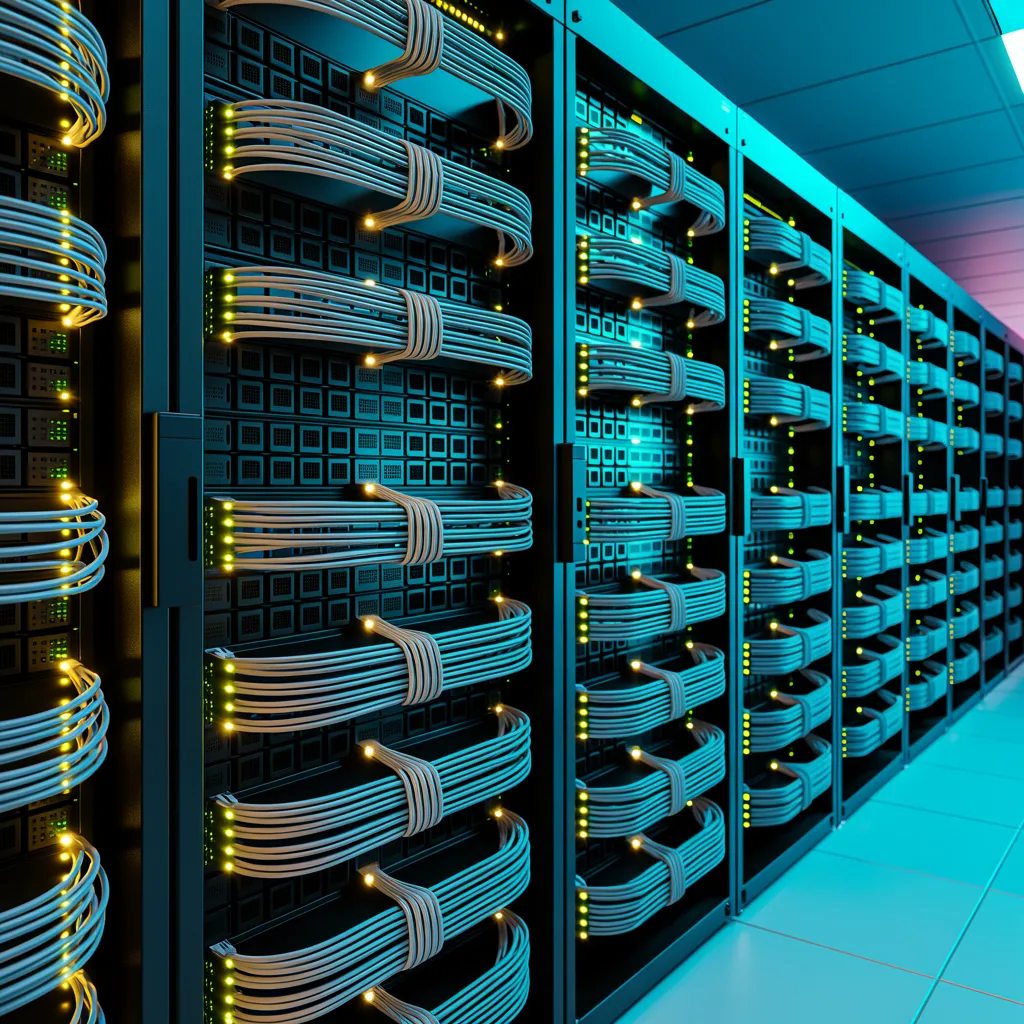
Leading DCIM Solutions for 2023
As organizations increasingly rely on data centers to sustain their endeavors, locating the superior Data Center Infrastructure Management (DCIM) systems for 2023 grows vital. Established DCIM systems offer full solutions structured to advance resource management, improve operational efficiency, and guarantee robust monitoring capabilities. Notable contenders in the market include ServiceNow, known for its integration capabilities, and Sunbird, which excels in real-time visualization and reporting. Additionally, Schneider Electric provides a powerful platform for energy management and asset tracking.
Another key competitor, Nlyte, specializes in improving data center performance through advanced analytics. These services not only facilitate improved decision-making but also help in forecasting upcoming needs. As data demands continue to grow, selecting a DCIM service that provides flexibility and adaptability is essential. Ultimately, organizations must evaluate their particular needs to select the most suitable DCIM service, guaranteeing optimal performance and reliability in their data management strategies.
Exploring Data Center Infrastructure administration (DCIM)
Data Center Infrastructure Management (DCIM) covers a collection of instruments and practices intended to monitor, manage, and optimize data center resources. By integrating IT and facility management, DCIM delivers comprehensive insight into the performance and utilization of essential systems. This approach facilitates real-time data collection, allowing operators to make informed decisions regarding power usage, temperature management effectiveness, and space utilization.
DCIM platforms commonly encompass functionalities such as equipment monitoring, demand forecasting, and environmental monitoring, which work together to boost workflow performance. They give data center managers the capacity to spot inefficiencies, refine operations, and cut spending. Furthermore, DCIM enables strategic planning for scale-up efforts and helps organizations adhere to regulatory standards. Through adopting well-designed DCIM practices, data centers can gain increased stability, improved sustainability, and greater system efficiency, in turn boosting better customer service in a dynamic digital landscape.
Essential Characteristics for Choosing Effective DCIM Services
Determining effective Data Center Infrastructure Management (DCIM) solutions requires meticulous evaluation of vital capabilities that enhance performance and asset optimization. Crucial characteristics feature real-time monitoring capabilities, enabling immediate awareness into power usage and environmental conditions. Integration with current infrastructure is also essential, as frictionless communication encourages a unified approach to information governance.
Scalability is an important feature, enabling organizations to adapt as their infrastructure grows and changes. Sophisticated analysis tools can deliver forecasting intelligence, supporting proactive decision-making and reducing downtime. User-friendly interfaces improve accessibility for various stakeholders, while strong protective protocols safeguard sensitive data.
In conclusion, customization options guarantee that DCIM services can be tailored to meet specific organizational needs. By stressing these essential features, businesses can identify DCIM services that not only optimize performance but also foster long-term sustainability and strategic advancement.
Identifying the Best DCIM Solution Designed for Your Requirements?
In what way can an business determine the best DCIM option suited to its unique needs? The selection methodology begins with a exhaustive assessment of active setup and operational requirements. Organizations should identify specific goals, such as improving uptime, enhancing resource utilization, or perfecting capacity planning. Additionally, considering scalable capacity is essential; a solution must adapt to future growth and technological advancements.
Subsequently, enterprises must assess integration capabilities. The ideal DCIM solution should work smoothly with existing tools and platforms. Usability also plays a significant role; intuitive interfaces enhance user uptake and efficiency.
In addition, entities should review partner assistance and user participation, as persistent support and assets can be consequential. To conclude, performing a cost-benefit analysis validates that the chosen solution accords with budget constraints while delivering the anticipated value. By adhering to these steps, institutions can positively choose a DCIM offering that addresses their distinct requirements and strengthens overall performance.
Implementing DCIM Utilities to Strengthen Energy Efficiency
By implementing DCIM tools, you can significantly improve power efficiency within data centers. Through providing extensive insights into power consumption and heat management, these tools allow operators to spot inefficiencies and optimize resource allocation. With current data on energy usage, data center managers can make informed decisions about server positioning and cooling approaches, ensuring that energy is not squandered.
DCIM solutions also streamline automated monitoring and control of power loads, allowing for dynamic adjustments based on current demand. This agility can lead to significant reductions in energy costs. In addition, advanced analytics within DCIM tools can reveal areas for further improvement, promoting proactive measures rather than reactive interventions.
Combining these tools into normal activities promotes a culture of sustained betterment, ultimately producing a lower-impact data center habitat. The takeaway is not simply enhanced efficiency but also a reduced carbon in-depth guide footprint, adhering with larger ecological objectives.
Real-Time Surveillance : The Pillar of DCIM Performance
Real-time surveillance functions as a crucial aspect in the accomplishment of Data Center Infrastructure Management (DCIM). By presenting advanced performance indicators, it permits forward-thinking issue identification and enhancement of resource utilization. This capacity ultimately results in superior operational efficiency and consistency within data centers.
Optimized Performance Analytics
Monitoring data center performance is essential for optimizing efficiency and maintaining dependability. Enhanced performance metrics deliver valuable understanding into various operational aspects, including energy consumption efficiency, cooling efficiency, and capacity distribution. By leveraging real-time data, organizations can evaluate their system's condition and reaction time, enabling informed decision-making. Metrics such as server uptime, latency, and throughput help recognize patterns and evaluate resource requirements. Additionally, these metrics promote responsibility among teams, guiding strategic planning and investments. Ongoing examination of performance data not only aids in benchmarking against industry standards but also promotes a culture of continuous enhancement. Ultimately, improved operational indicators serve as a core component of effective Data Center Infrastructure Management, delivering both operational excellence and competitive advantage.
Proactive Problem Discovery
Proactive problem identification serves a vital purpose in ensuring the integrity of data center operations. By utilizing continuous surveillance mechanisms, data centers can detect emerging threats before they intensify into catastrophic failures. This methodology allows teams to respond with urgency to irregularities in heat levels, energy usage, and machine performance. Perpetual observation ensures that any departures from baseline conditions are highlighted right away, enabling for immediate response. As a outcome, the overall dependability of the framework is strengthened, decreasing service interruptions and protecting service excellence. Moreover, early discovery facilitates calculated decision-making regarding service plans and spending allocation, in the long term enhancing system performance. Allocating investment in comprehensive tracking systems is absolutely necessary for ensuring optimal functioning in current complex data environments.
Resource Deployment Refinement
Competent administration of a data center's resources depends on the capacity to persistently analyze and track operational metrics. Real-time monitoring serves as the foundation for optimizing resource utilization, empowering data center managers to identify inefficiencies and allocate assets effectively. By leveraging advanced DCIM tools, organizations can acquire essential information on power consumption, cooling efficiency, and workload distribution. This data enables for more informed decision-making, ensuring that resources are utilized to their fullest potential. Additionally, real-time analytics promote immediate adjustments to changing demands, reducing waste and enhancing overall performance. Ultimately, effective resource utilization optimization not only improves operational efficiency but also contributes to sustainability goals, making it a indispensable component of modern data center management strategies.
Future Trends in Data Center Operations Management
As data centers adapt to satisfy increasing demands for efficiency and speed, new developments in Data Center Infrastructure Management (DCIM) are transforming the landscape. One notable development is the incorporation of AI (AI) and machine learning, which enhances predictive analytics for resource allocation and power optimization. These solutions enable live tracking and automated responses to potential issues, greatly reducing service interruptions.
Furthermore, the adoption of edge computing is driving a shift in DCIM strategies, as businesses strive to analyze data proximal to its source for better speed and optimization. This necessitates cutting-edge operational systems to maintain performance across spread-out environments.
Sustainability is also at the vanguard, with an emphasis on reducing carbon footprints and optimizing resource consumption. Finally, the rise of hybrid cloud solutions necessitates more advanced DCIM systems that can effortlessly manage both on-premises and cloud resources, guaranteeing maximum operational efficiency.
Frequently Requested Inquiries
What Are The Steps To connect DCIM With Current Data Center Setup?
To connect DCIM with existing data center systems, one needs to assess current infrastructure, ensure compatibility, activate APIs for data exchange, and undertake thorough testing to validate seamless operation and improved management capabilities across platforms.
What Constitutes the Average Cost of Adopting DCIM Solutions?
The average cost of deploying DCIM solutions generally falls between $20,000 and $150,000, depending on the size of the data center, the intricacy of the systems, and the specific features required for optimal management.
What particular compliance standards relate to DCIM Services?
Yes, there are particular regulatory requirements for DCIM services, including ISO 27001 for information security, PCI DSS for payment card industry standards, and various environmental regulations that guide power consumption optimization and sustainability practices within data centers.
How frequently Should I Update My DCIM Software?
DCIM software updates should be performed at least annually, though quarterly updates are recommended to guarantee maximum performance, enhanced protection, and compliance with advancing requirements. Periodic reviews help identify when updates are required for distinct business objectives.
Can DCIM Tools Help in Emergency Response Preparation?
DCIM tools can greatly aid in disaster recovery planning by providing real-time monitoring, resource oversight, and scenario simulations. This ensures that computing facilities are prepared for potential disruptions, enhancing overall resilience and recovery strategies.